 (678) 528-6747
 4459 Lawrenceville Hwy, Tucker, GA 30084
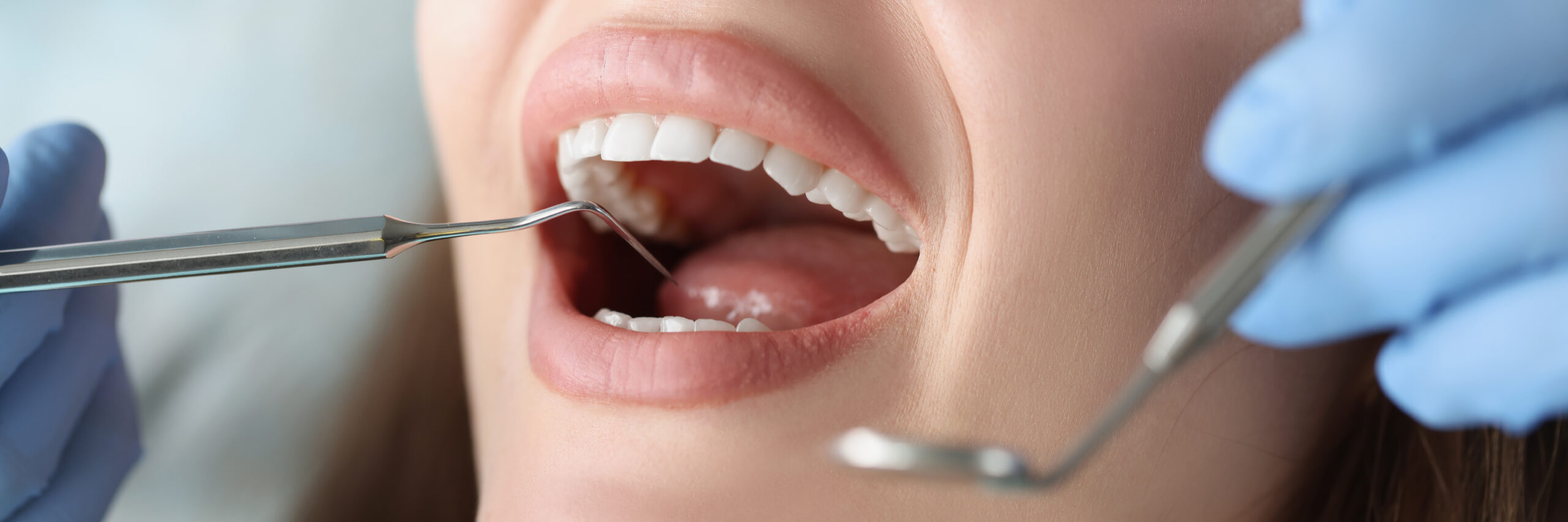
Every time a tooth is drilled down for a crown or filled with an oversized restoration, some of its natural structure is sacrificed in the name of fixing a problem. For decades, this trade-off was simply accepted as the cost of dental care. But a growing approach in restorative dentistry asks a different question: what if we could repair a tooth by working with its natural design rather than against it?
That question is at the heart of biomimetic dentistry, a philosophy that Dr. Zina Aaron incorporates into restorative care at Rose Dental in Tucker, GA. Our commitment to holistic, biocompatible dentistry means we evaluate every restoration through the lens of long-term tooth health, not just short-term convenience, and biomimetic principles guide us toward treatments that protect what you already have.
The Core Idea Behind Biomimetics
The word “biomimetic” comes from the Latin roots for life and imitation. In dentistry, it describes an approach focused on restoring teeth using materials and methods that closely replicate the physical properties of natural tooth structures, including enamel, dentin, and cementum. Rather than replacing what is damaged with something rigid and foreign, the goal is to recreate the natural flexibility, strength, and stress distribution of a healthy tooth.
According to a 2026 peer-reviewed article published in Cureus, biomimetic restorative techniques aim to maintain tooth viability and architecture, enhance the longevity of dental restorations, and avoid unnecessary further reduction of tooth structure. This is a meaningful departure from conventional dentistry, which has historically prioritized mechanical retention over structural preservation.
Why Traditional Crowns Fall Short
A traditional dental crown requires grinding down a significant portion of the natural tooth to create space for the restoration. Even when a tooth has only moderate decay or damage, the preparation process is often highly aggressive, removing healthy enamel and dentin that could have been preserved. Once that structure is gone, it is gone permanently, and the tooth becomes increasingly dependent on restorations over time.
This is where biomimetic dentistry offers a fundamentally different path. Rather than over-preparing a tooth to accommodate a crown, our common dental procedures include conservative options like inlays and onlays, which are custom-fitted restorations that repair only the affected portion of the tooth while leaving healthy structure intact. These restorations are bonded directly to the tooth, which means they support the remaining natural tooth rather than replacing it wholesale.
How Biomimetic Materials Work
A key element of the biomimetic approach is material selection. Natural teeth are not uniformly rigid. Enamel is hard and wear-resistant on the outer surface, while dentin underneath is slightly more flexible, allowing the tooth to absorb and distribute biting forces without cracking. Traditional metal or overly stiff restorations don’t replicate this behavior, which can actually concentrate stress and cause fractures over time.
Biomimetic restorations use advanced composite resins and ceramics that are chosen specifically to match the elastic properties of natural tooth structure. This means the restoration flexes with the tooth rather than fighting against it, reducing the risk of fracture and extending the functional life of the restoration significantly. The materials are also highly biocompatible, which aligns directly with our practice’s commitment to avoiding substances that can disrupt the body’s natural function.
The Role of Minimally Invasive Techniques
Biomimetic dentistry pairs naturally with minimally invasive approaches. When a tooth can be restored without aggressive preparation, the pulp, the living core of the tooth, is far less likely to be compromised. Preserving pulp vitality is one of the central goals of this philosophy, because a tooth with a living pulp has a dramatically better long-term prognosis than one that has undergone more destructive treatment.
Our use of laser dentistry in Atlanta supports this goal directly. Lasers allow us to remove decayed tissue with exceptional precision, minimizing the removal of healthy tooth structure and reducing trauma to surrounding tissue. When combined with biomimetic bonding techniques, this precision creates an environment where the tooth can genuinely be restored, not merely patched.
Prevention and Biomimetics Working Together
Biomimetic principles work best when problems are caught early, before the damage is extensive enough to require a large restoration. This is one reason our preventive dental care in Atlanta is such an important part of our overall approach to tooth preservation. Regular monitoring, thorough diagnostics, and early intervention mean that when a restoration is needed, it can often be kept small and structurally sound.
Patients who embrace this proactive approach tend to retain more of their natural tooth structure over a lifetime, which is both better for their overall oral health and less costly in the long run.
Experience Biomimetic Dentistry at Rose Dental Now
Dr. Zina Aaron is a member of the International Academy of Biological Dentistry and Medicine and the Holistic Dental Association, and she brings a commitment to biologically sound, structure-preserving care to every treatment decision. You can learn more about Dr. Aaron’s philosophy and approach and what makes our practice different from conventional dental offices.
If you are ready to experience restorative care that works with your body rather than around it, we are here to help. Contact our office to schedule a consultation with Dr. Aaron and take the first step toward dentistry that truly protects your natural teeth for the long term.
✓ Reviewed by
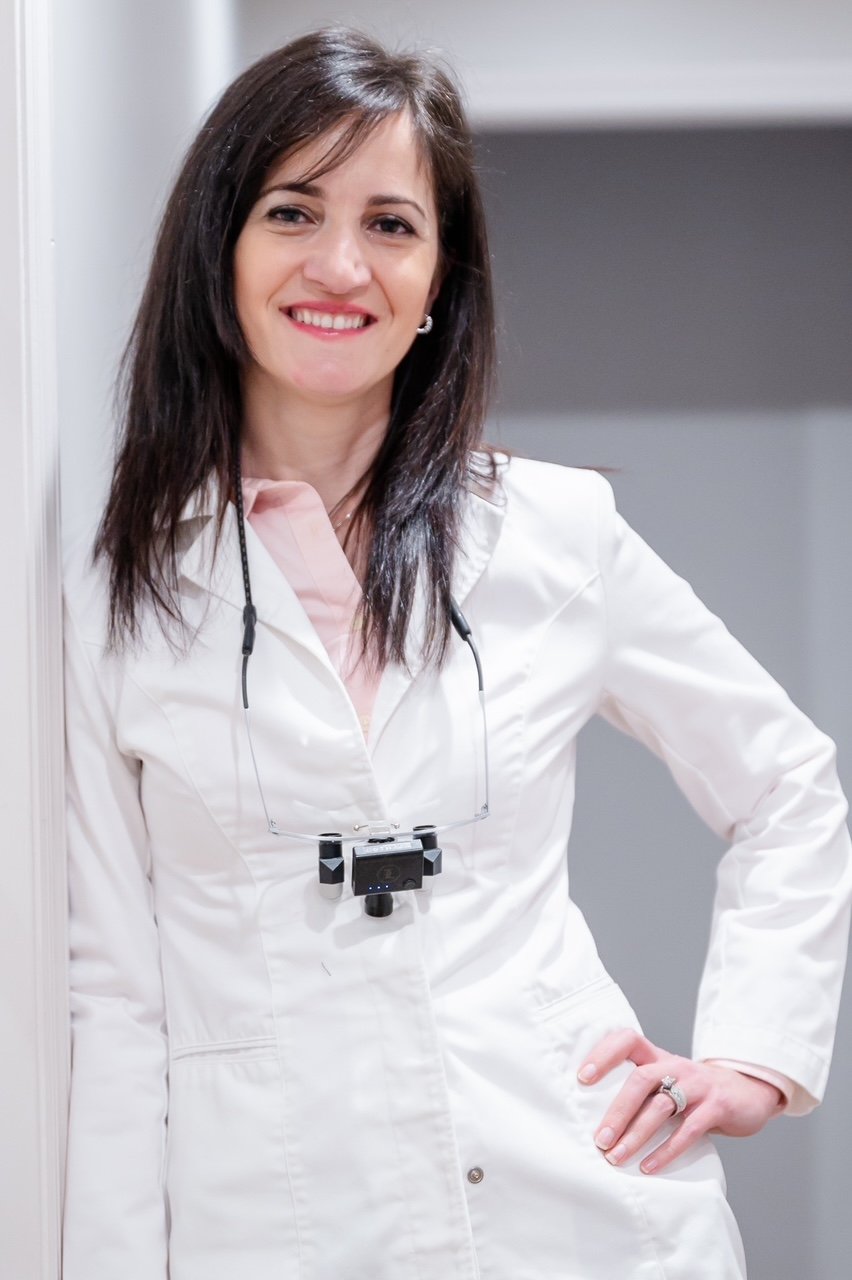
Dr. Zina Aaron, DMD
Holistic & Biological Dentist · Founder, Rose Dental · Tucker, GA
Dr. Zina Aaron earned her DMD from the Medical College of Georgia and completed her residency at the Miami VA Medical Center. She founded Rose Dental to deliver biocompatible, mercury-free care rooted in whole-body wellness, and holds memberships in the ADA, IAOMT, and Holistic Dental Association.
✓ Reviewed by
Dr. Zina Aaron, DMD
Holistic & Biological Dentist · Founder, Rose Dental · Tucker, GA
Dr. Zina Aaron earned her DMD from the Medical College of Georgia and completed her residency at the Miami VA Medical Center. She founded Rose Dental to deliver biocompatible, mercury-free care rooted in whole-body wellness, and holds memberships in the ADA, IAOMT, and Holistic Dental Association.