 (678) 528-6747
 4459 Lawrenceville Hwy, Tucker, GA 30084
Your dentist takes an X-ray, and it shows a tooth. But what if the real problem isn’t in the tooth at all? What if it’s buried deep inside the jawbone, invisible to traditional imaging, slowly affecting your whole-body health? This is exactly the kind of hidden threat that a cone beam CT (CBCT) scan is built to find, and it’s one of the most important reasons holistic dentists rely on this technology when standard diagnostics fall short.
At Rose Dental in Tucker, Georgia, Dr. Zina Aaron has made precision diagnostics a cornerstone of her biocompatible approach to care. Rather than treating symptoms in isolation, Dr. Aaron believes in understanding the full picture, which means using tools capable of seeing what conventional X-rays cannot. Cone beam CT scanning is central to that commitment.
What Is a Cone Beam CT Scan?
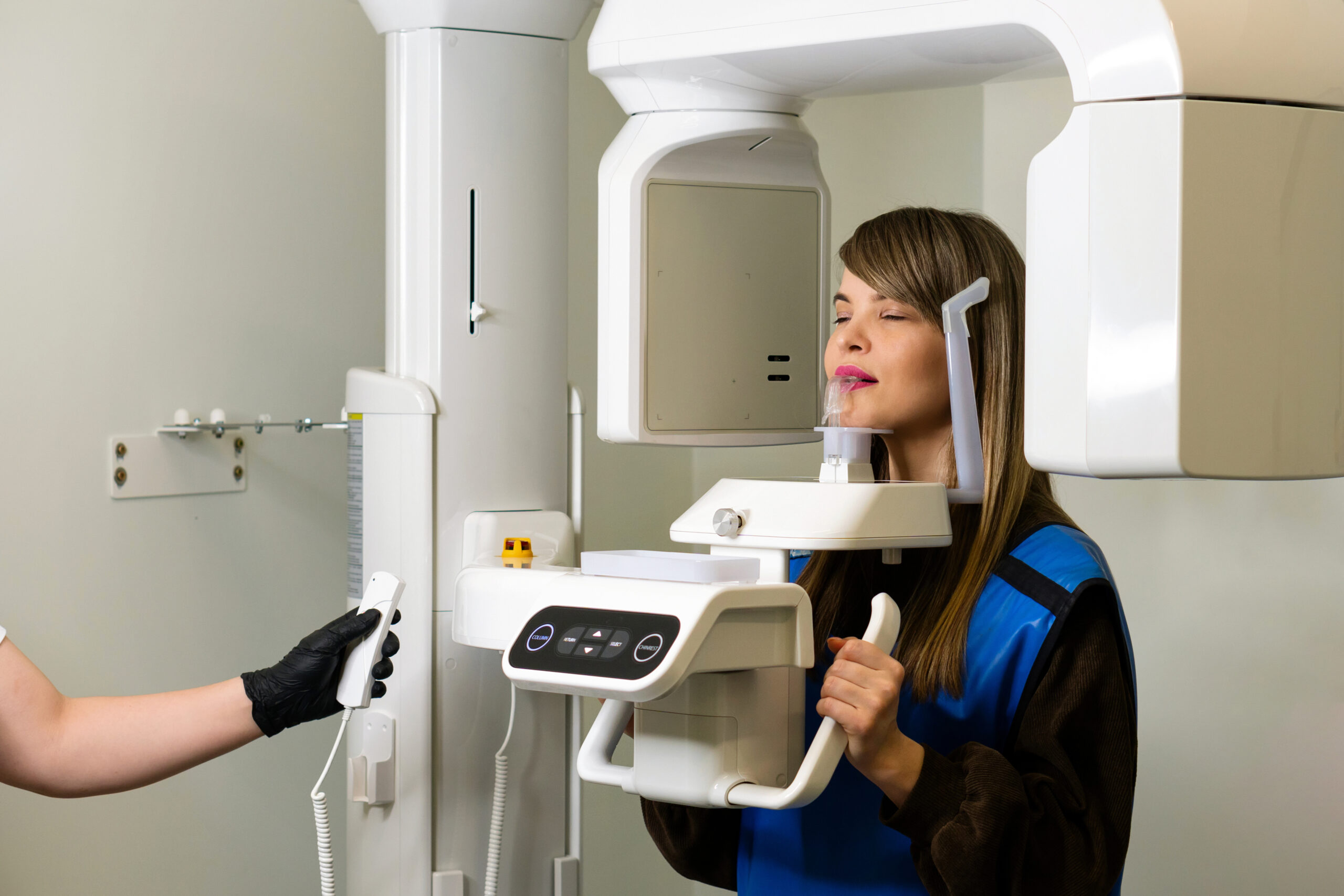
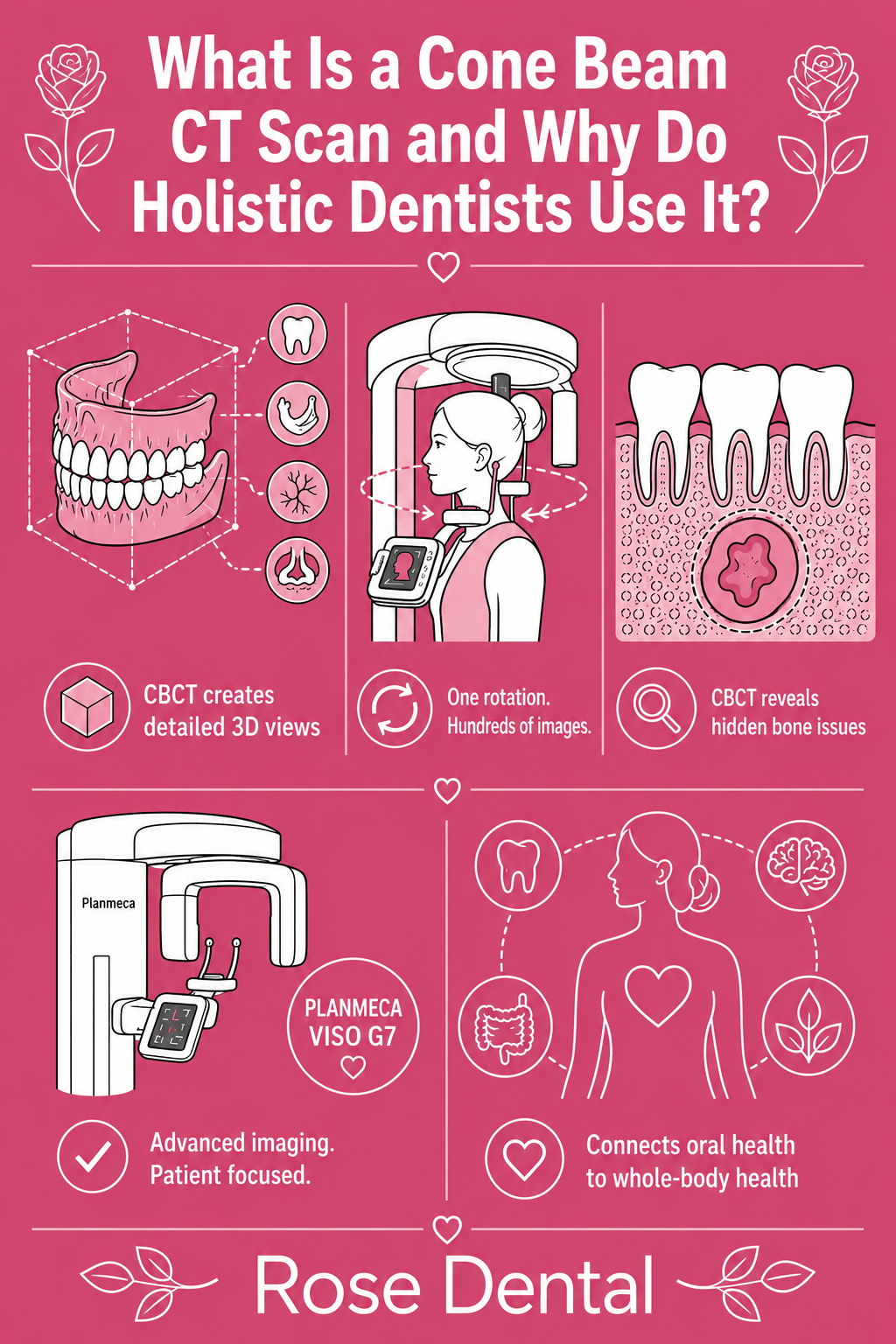
A cone beam CT scan is a specialized form of digital imaging that produces detailed, three-dimensional views of the teeth, jawbone, nerves, sinuses, and surrounding structures. Unlike a traditional flat X-ray, which captures only a two-dimensional snapshot, a CBCT scan rotates around the patient’s head in a single pass, capturing hundreds of images that are then compiled into a precise 3D model.
The technology gets its name from the cone-shaped beam of radiation it uses to collect data. According to the U.S. Food and Drug Administration, dental CBCT systems are used to produce three-dimensional images of teeth, soft tissues, nerve pathways, and bone in a single scan. This level of detail gives providers a far more accurate foundation for diagnosis and treatment planning than traditional imaging alone can offer.
At Rose Dental, the practice uses the Planmeca Viso G7, one of the most advanced cone beam machines available, known for its high resolution, wide field of view, and superior contrast ratio. This level of investment in technology reflects Dr. Aaron’s belief that patients deserve the most accurate information possible before any treatment decision is made.
Why Holistic Dentists Rely on CBCT Scanning
Holistic and biocompatible dentistry operates on a foundational principle: what happens in the mouth does not stay in the mouth. Every treatment decision has the potential to affect the broader body, which is why thorough diagnostics are so critical. CBCT scanning aligns naturally with this philosophy because it allows providers to see beyond the surface.
One of the most important applications of cone beam imaging in holistic dentistry is the identification of cavitations. Cavitations are areas of unhealed or infected bone, often found at sites of previous tooth extractions. When extractions are performed without fully removing the periodontal ligament, the surrounding bone may fail to heal properly, leaving behind a pocket of infected tissue. These infections are not visible on traditional X-rays, and they are often overlooked in conventional dental settings. A CBCT scan can reveal their precise location, size, and relationship to nearby structures. You can learn more about how this technology is used to uncover these hidden issues on our cone beam CT scans and hidden jaw infections blog.
Seeing the Full Picture Before Treatment
Cone beam CT scans are also used at Rose Dental to support implant planning, airway evaluation, and the assessment of bone density before restorative procedures. When placing dental implants, for example, understanding the exact depth, width, and quality of available bone is essential to long-term success. A two-dimensional X-ray provides an estimate. A CBCT scan provides a map.
This is especially important in a practice that prioritizes zirconia implants for their superior biocompatibility, where proper placement requires an even higher level of anatomical precision. The same level of care applies to airway-related concerns, where the three-dimensional imaging can help identify structural factors contributing to breathing issues during sleep.
How CBCT Fits Into a Whole-Body Approach to Dentistry
What sets cone beam CT imaging apart in a holistic practice is not just what it shows. It’s what that information makes possible. When Dr. Aaron reviews a CBCT scan, she is not simply looking at bone and teeth. She is evaluating the relationship between oral structures and systemic health, searching for findings that could explain chronic inflammation, unexplained fatigue, or recurring infections that have no obvious source in conventional medicine.
This is the diagnostic difference between treating symptoms and addressing root causes. Patients who have been told everything “looks fine” on traditional imaging sometimes come to Rose Dental for a second opinion, only to find a CBCT scan reveals something that had gone undetected for years. To explore how this technology fits into a broader commitment to patient-centered care, visit our modern technology and holistic dental care blog.
Start Your Journey Toward Whole-Body Dental Health at Rose Dental
Understanding what is happening inside your jaw, not just on the surface of your teeth, is one of the most important steps you can take toward lasting health. Dr. Aaron brings both the technology and the training to make that level of care possible, and every diagnostic process at Rose Dental is designed with your whole-body wellness in mind. Learn more about Dr. Zina Aaron’s approach and what makes her practice different from conventional dental offices.
If you are ready to experience dentistry that looks deeper and thinks bigger, we invite you to reach out to our team. Contact Rose Dental today to schedule your appointment and take the first step toward care that treats you as a whole person, not just a set of teeth.
✓ Reviewed by
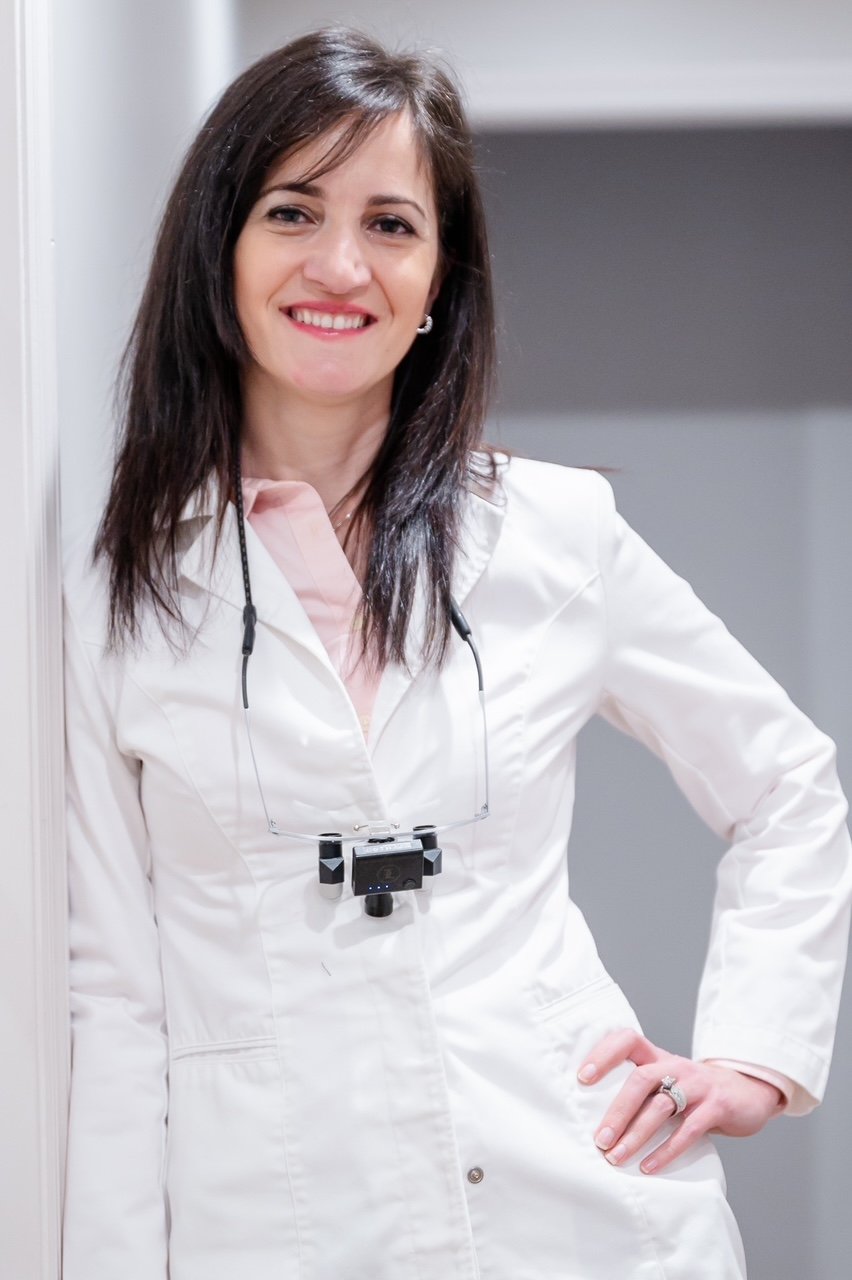
Dr. Zina Aaron, DMD
Holistic & Biological Dentist · Founder, Rose Dental · Tucker, GA
Dr. Zina Aaron earned her DMD from the Medical College of Georgia and completed her residency at the Miami VA Medical Center. She founded Rose Dental to deliver biocompatible, mercury-free care rooted in whole-body wellness, and holds memberships in the ADA, IAOMT, and Holistic Dental Association.
✓ Reviewed by
Dr. Zina Aaron, DMD
Holistic & Biological Dentist · Founder, Rose Dental · Tucker, GA
Dr. Zina Aaron earned her DMD from the Medical College of Georgia and completed her residency at the Miami VA Medical Center. She founded Rose Dental to deliver biocompatible, mercury-free care rooted in whole-body wellness, and holds memberships in the ADA, IAOMT, and Holistic Dental Association.