 (678) 528-6747
 4459 Lawrenceville Hwy, Tucker, GA 30084
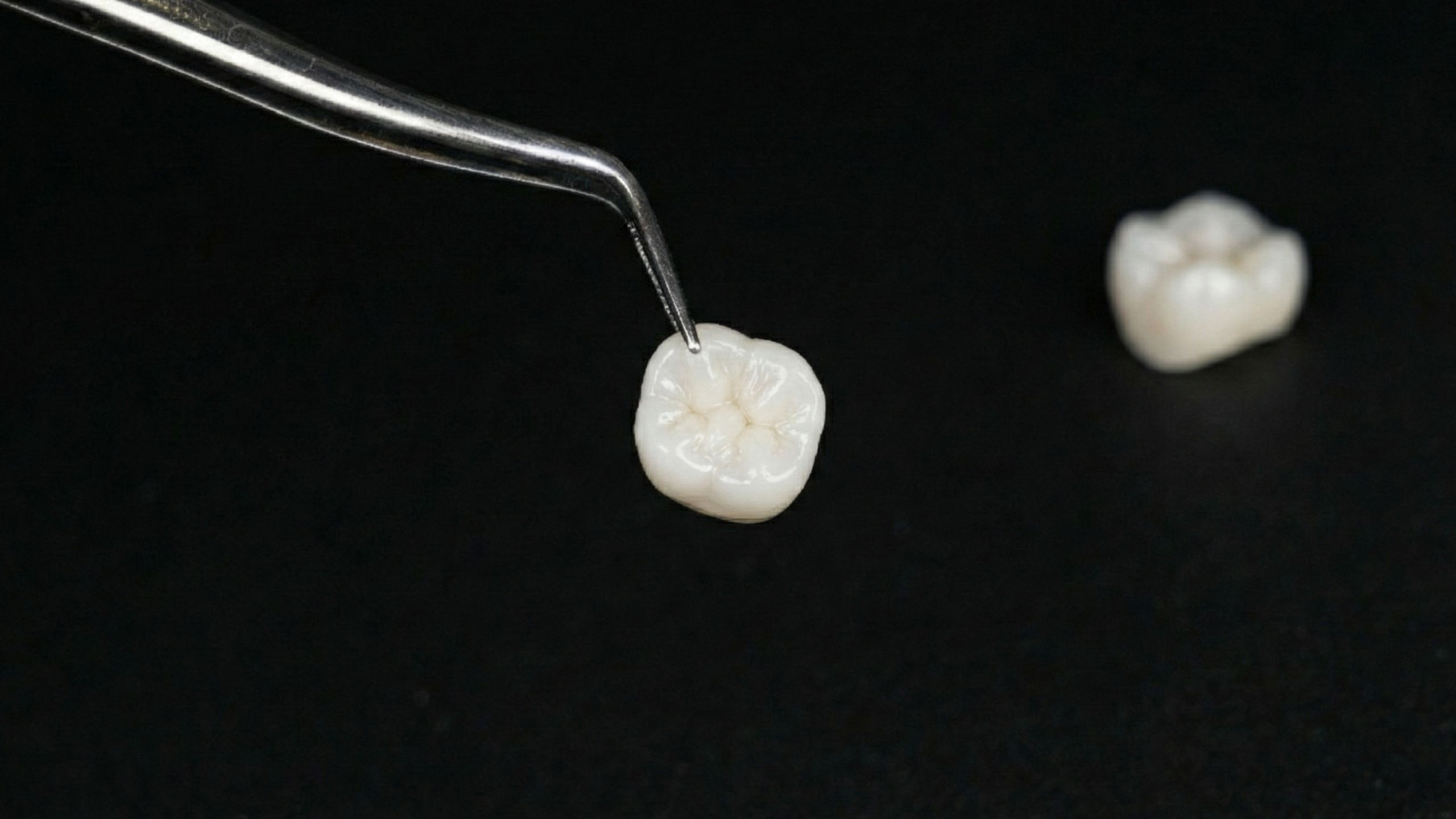
When a tooth is damaged, the goal of treatment should not simply be to fill the space left behind, but to restore the tooth in a way that honors how it was built in the first place. Enamel and dentin are layered, flexible, and alive, and for a long time, conventional dentistry treated them as surfaces to drill away rather than structures to protect. Biomimetic dentistry changes that conversation entirely by asking how restoration can work with the tooth’s own biology rather than overriding it.
At Rose Dental in Tucker, Georgia, this approach feels right at home. Dr. Zina Aaron and her team have long operated on the belief that a tooth is as alive as a finger, meaning every material used and every technique applied should respect the living system it is working within. Holistic dentistry forms the backbone of our practice, and biomimetic principles extend that whole-body thinking directly into how damaged teeth are repaired.
The Core Idea Behind Biomimetic Dentistry
Biomimetic dentistry draws its name from the science of mimicking nature. In a restorative context, it means using materials and bonding techniques that replicate the mechanical properties of natural enamel and dentin, so the restored tooth flexes, absorbs force, and functions the way the original tooth did. Research published through the National Institutes of Health confirms that biomimetic materials are designed to conserve tooth vitality and structure, with a focus on increasing the longevity of restorations and reducing the need for repeated treatment down the road.
This is a meaningful shift from older restorative models, which prioritized the hardness of the filling material over its compatibility with the surrounding tissue. When a restoration is too rigid, it cannot move with the tooth under biting pressure, and stress builds at the margins over time. Biomimetic restorations bond directly to the tooth in a way that distributes force more naturally, making the whole system more durable and less prone to fracture.
Saving More of What Is Already There
One of the most patient-centered aspects of biomimetic dentistry is how little it takes away. Conventional crowns and large fillings often require removing substantial amounts of healthy enamel and dentin to create space for the restoration. A biomimetic approach keeps preparation as small and targeted as possible, removing only what is damaged or decayed and leaving the surrounding structure intact.
This conservative philosophy connects naturally to the preventive care approach at Rose Dental. When we preserve more of the original tooth now, we are investing in its long-term strength and reducing the likelihood of more involved treatment later. Every healthy millimeter of tooth structure that stays in place is a millimeter working in the patient’s favor for years to come.
Biocompatible Materials That Work with the Body
The materials used in biomimetic dentistry matter as much as the techniques. Tooth-colored composite resins and ceramic materials are layered and sculpted to match the optical properties of enamel, creating restorations that are virtually indistinguishable from the real thing. More importantly, these materials are chosen for how they interact with surrounding tissues, not just how they look.
At Rose Dental, our commitment to biocompatible dentistry means we evaluate every material we place with the body’s biology in mind. Patients visiting our common procedures page will see that this standard runs throughout the care we provide. No mercury, no unnecessary chemicals, and nothing we would not stand behind as genuinely safe for the whole system.
How Biomimetic Restorations Are Placed
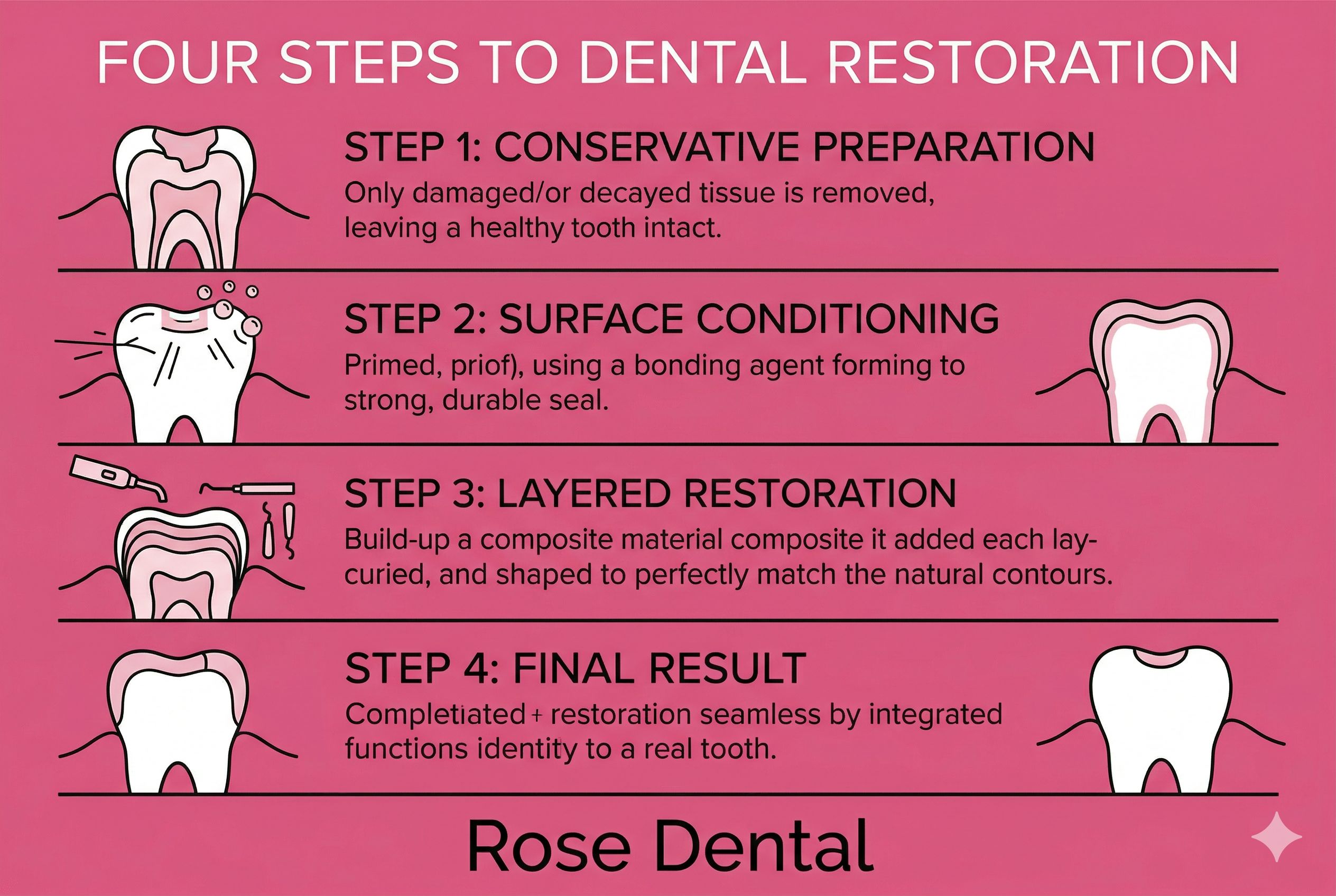
A biomimetic restoration typically begins with a conservative preparation that clears only the affected tissue. The tooth surface is then conditioned and primed so the bonding agents can form a strong, durable seal between the composite material and the tooth. The restoration is built up in layers, with each layer cured and shaped to match the anatomy and color of the surrounding tooth.
Patients are often surprised by how straightforward the process feels. Because preparation is minimal and the materials bond directly to the tooth, there is typically less sensitivity and a shorter recovery window compared to more invasive alternatives. The finished restoration blends into the natural tooth so well that it becomes part of the tooth’s daily function without drawing attention to itself.
Restore Your Smile the Natural Way at Rose Dental
Rose Dental was built on the principle that dentistry should improve lives without compromising health, and biomimetic restorations reflect exactly that standard. Dr. Aaron brings deep dedication to continuing education, staying current in areas like restorative and cosmetic dentistry so our patients benefit from approaches backed by the latest evidence. As a mercury-free, SMART-certified practice, we hold every treatment to the same rigorous biocompatible standard.
If you are ready for restorative care that puts your tooth’s biology first, we welcome you to reach out. Contact us today to schedule your visit with Dr. Aaron and the Rose Dental team in Tucker, Georgia.
✓ Reviewed by
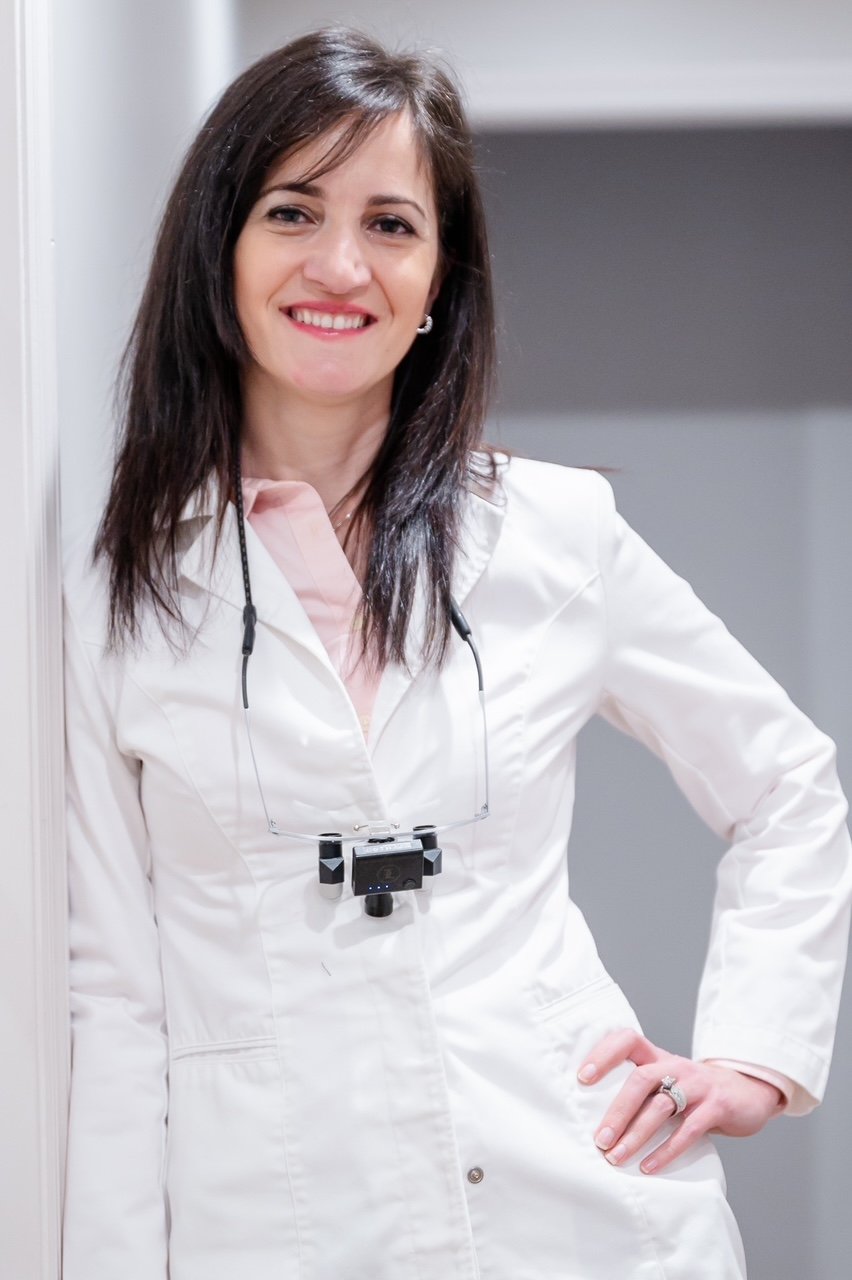
Dr. Zina Aaron, DMD
Holistic & Biological Dentist · Founder, Rose Dental · Tucker, GA
Dr. Zina Aaron earned her DMD from the Medical College of Georgia and completed her residency at the Miami VA Medical Center. She founded Rose Dental to deliver biocompatible, mercury-free care rooted in whole-body wellness, and holds memberships in the ADA, IAOMT, and Holistic Dental Association.