 (678) 528-6747
 4459 Lawrenceville Hwy, Tucker, GA 30084
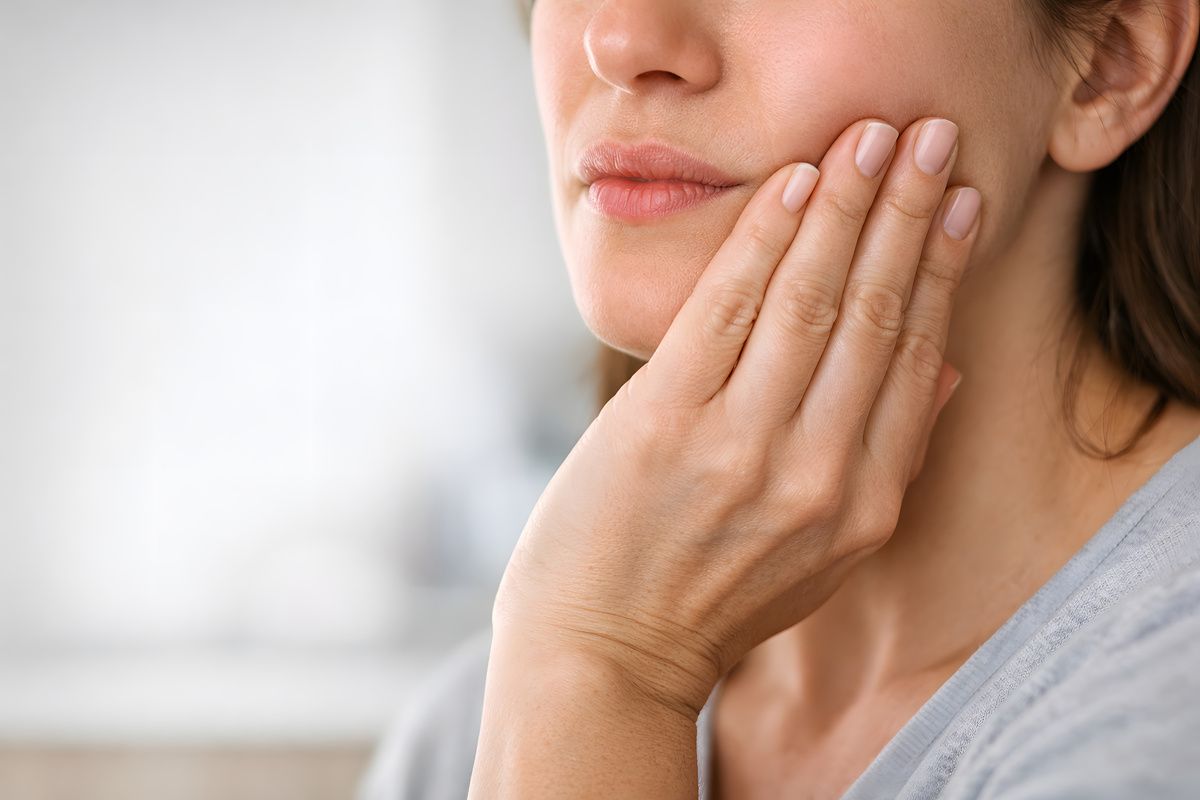
Most people think of dental health as something that lives entirely in the mouth, but the jaw is a structural anchor that connects to your spine, muscles, and nervous system in ways you may never have considered. When your bite is off, even slightly, the rest of your body quietly compensates, and those compensations can show up as chronic neck pain, tension headaches, poor posture, and disrupted sleep long before anyone thinks to look at your jaw.
At Rose Dental, holistic dentistry is the foundation of everything Dr. Zina Aaron and her team do in Tucker, GA. Their philosophy is rooted in the principle that a tooth is as alive as a finger, and that nothing in the mouth exists in isolation from the rest of the body. Dr. Aaron brings this whole-body lens to every evaluation, looking beyond the teeth to assess how oral structures influence systemic health.
The Link Between Your Bite and Your Body
The jaw connects directly to the skull and cervical spine through a dense network of muscles and connective tissue. When the bite is misaligned, those muscles compensate by tightening or shifting position, which changes how the head sits on the neck. Because the body is designed to keep your eyes level and your balance intact, one small shift in the jaw can trigger a chain of adjustments traveling all the way down through the shoulders, hips, and lower back.
Common Symptoms of Jaw Misalignment: Many people carry these symptoms for years without knowing the source. The connection between jaw alignment and whole-body tension tends to surface in a recognizable pattern, including:
- Neck and shoulder tension: compensatory muscle strain from an unbalanced bite often accumulates in the upper body
- Chronic tension headaches: overworked jaw muscles frequently refer pain into the temples and base of the skull
- Lower back discomfort: postural shifts triggered by jaw misalignment can place an uneven load on the lumbar spine
- Jaw clicking or soreness: a signal that the temporomandibular joint (TMJ) is under strain
These symptoms are worth paying attention to because addressing the structural source can make a meaningful difference in overall comfort and function.
The Temporomandibular Joint and Referred Pain: The temporomandibular joint sits just in front of each ear and serves as the hinge between the lower jaw and skull. Dysfunction in this joint, often driven by bite imbalance, can generate pain that radiates into the jaw, temples, ears, and neck. The surrounding musculature absorbs significant stress when the joint is not functioning symmetrically, and that stress tends to travel through the body rather than stay in one place.
Jaw Position and Airway Health
Beyond posture, the position of the jaw plays a direct role in how well you breathe. A jaw that sits too far back or is underdeveloped can narrow the upper airway, making it harder to breathe fully during the night. Restricted breathing disrupts the body’s ability to repair itself during sleep, which has downstream effects on energy, cardiovascular health, mood, and cognitive function.
For patients dealing with snoring or poor sleep quality, sleep apnea treatment in Atlanta addresses how jaw position contributes to airway obstruction, offering structural solutions rather than temporary fixes. Evaluating the jaw’s role in breathing is part of what separates a holistic dental assessment from a conventional one.
Addressing Alignment Through Whole-Body Dental Care
Correcting jaw alignment can have measurable effects on posture, breathing, and pain throughout the body. Clear aligners in Atlanta gently guide the teeth and jaw into better-balanced positions, reducing the compensatory strain that misalignment places on surrounding structures. Treatment is always individualized, starting with a thorough evaluation of how the bite, airway, and overall posture interact.
Ongoing attention to these connections is woven into the preventive care approach at Rose Dental, where early identification of alignment concerns helps patients avoid the cumulative effects of years of unaddressed tension. Catching these patterns before they escalate is one of the most effective things a dental practice can do for a patient’s long-term health.
Frequently Asked Questions
What are common signs that my bite might be misaligned?
Bite misalignment often shows up as symptoms that seem unrelated to your teeth. Chronic neck and shoulder tension, recurring tension headaches, jaw clicking or soreness, and unexplained lower back discomfort are all patterns that can trace back to how your upper and lower teeth meet. If you experience any of these consistently, a bite evaluation is worth discussing with your dentist.
Can jaw problems cause neck and back pain?
Yes. The jaw connects to the skull and cervical spine through a dense network of muscles and connective tissue. When the bite is unbalanced, those muscles compensate by shifting position, which changes how the head sits on the neck. Over time, this postural adjustment can travel through the shoulders and into the lower back, creating discomfort in areas that feel entirely disconnected from dental health.
What treatments can correct jaw misalignment?
Treatment depends on the nature and severity of the misalignment. Clear aligners are a common and effective option for repositioning the teeth and guiding the jaw toward better balance. In some cases, additional evaluation of airway and bite function helps identify the most appropriate approach. Dr. Aaron conducts a thorough assessment before recommending any treatment to ensure the plan addresses the root structural issue.
How does jaw position affect sleep and breathing?
A jaw that sits too far back or is underdeveloped can narrow the upper airway, making it harder to breathe during sleep. This can contribute to snoring, restless sleep, and in some cases sleep apnea. Addressing the jaw’s position through dental treatment can improve airway function and, as a result, sleep quality and daytime energy levels for some patients.
Rose Dental: Whole-Body Dental Care in Atlanta
Dr. Zina Aaron has built Rose Dental around the belief that exceptional dental care must account for the whole person. As a SMART-certified, mercury-free, and biocompatible practice, Rose Dental uses the highest quality biologically friendly materials and prioritizes patient education at every step. Dr. Aaron completes many hours of continuing education each year, with recent coursework focused on dental sleep medicine and airway health, bringing a level of depth and currency to her evaluations that goes well beyond a standard dental exam.
If you have been living with unexplained neck pain, tension headaches, or restless sleep, your bite may be part of the picture. Contact Rose Dental to schedule a consultation with Dr. Aaron and find out how a whole-body approach to oral health can change the way you feel every day.

✓ Reviewed by
Dr. Zina Aaron, DMD
Holistic & Biological Dentist · Founder, Rose Dental · Tucker, GA
Dr. Zina Aaron earned her DMD from the Medical College of Georgia and completed her residency at the Miami VA Medical Center. She founded Rose Dental to deliver biocompatible, mercury-free care rooted in whole-body wellness, and holds memberships in the ADA, IAOMT, and Holistic Dental Association.
✓ Reviewed by
Dr. Zina Aaron, DMD
Holistic & Biological Dentist · Founder, Rose Dental · Tucker, GA
Dr. Zina Aaron earned her DMD from the Medical College of Georgia and completed her residency at the Miami VA Medical Center. She founded Rose Dental to deliver biocompatible, mercury-free care rooted in whole-body wellness, and holds memberships in the ADA, IAOMT, and Holistic Dental Association.